
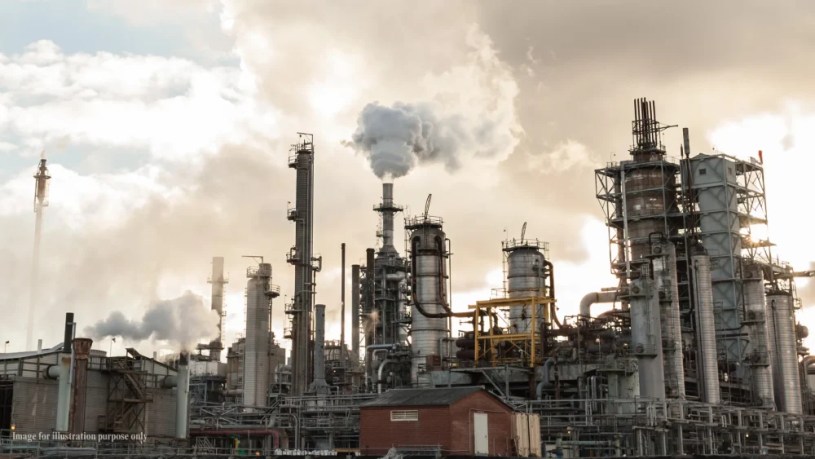
Introduction: The Heartbeat of Economic Civilization
Industries are the foundational blocks of modern society. They not only drive economic development but also shape social dynamics, urban landscapes, and global interactions. From the first sparks of the Industrial Revolution to today’s interconnected digital factories, the evolution of industries reflects humanity’s relentless pursuit of progress. As the world continues to shift toward sustainability, innovation, and inclusivity, industries must evolve to meet emerging challenges while capitalizing on transformative opportunities.
Understanding the Structure of Industries
Industries are broadly classified into key sectors based on the nature of their activities. This structure allows for specialization, efficient resource allocation, and targeted policy-making.
Primary Industries
Primary industries are involved in the direct extraction and utilization of natural resources. These sectors form the raw material base for all industrial processes.
- Agriculture: The cultivation of crops and livestock
- Forestry: Harvesting timber and managing forest ecosystems
- Fishing: Marine and freshwater harvesting for food and industry
- Mining: Extraction of minerals, coal, and fossil fuels
Secondary Industries
Secondary industries convert raw materials into finished or semi-finished goods. These industries form the manufacturing core and are vital for economic value addition.
- Construction: Infrastructure, commercial buildings, and residential development
- Textile and Garments: Processing fabrics and creating clothing
- Automobile and Machinery: Production of vehicles, engines, and heavy equipment
- Food and Beverage Processing: Turning agricultural produce into packaged consumables
Tertiary Industries
This sector provides services to individuals and businesses, bridging the production and consumption ends of the industrial chain.
- Retail and Wholesale: Distribution of goods to end users and resellers
- Banking and Insurance: Financial services supporting trade and enterprise
- Tourism and Hospitality: Travel, leisure, and accommodation services
- Education and Healthcare: Professional services enhancing human capital
Quaternary and Quinary Sectors
These sectors are modern additions, focusing on information, innovation, and executive-level decision-making.
- Quaternary: R&D, IT services, consulting, and data analytics
- Quinary: Leadership roles in government, NGOs, and multinational corporations
Historical Perspective: The Evolution of Industrial Landscapes
Industries have undergone several waves of transformation, each reshaping the global economic order.
- First Industrial Revolution (late 18th century): Initiated in Britain, this period saw the rise of mechanized textile production, steam engines, and coal-powered factories.
- Second Industrial Revolution (late 19th to early 20th century): Marked by electricity, the internal combustion engine, and mass production techniques like the assembly line.
- Third Industrial Revolution (mid to late 20th century): Characterized by automation, electronics, and information technology, leading to global outsourcing and more efficient logistics.
- Fourth Industrial Revolution (21st century): Driven by artificial intelligence, robotics, biotechnology, and the Internet of Things, it is redefining every aspect of industrial operation.
Globalization and Industry Interdependence
The modern industrial ecosystem is a global tapestry of collaboration and competition.
- Global Supply Chains: Industries source components from multiple countries, assemble them in others, and distribute them worldwide.
- Foreign Direct Investment (FDI): Corporations invest across borders to access markets and resources.
- Trade Agreements and Economic Zones: Free trade zones and bilateral agreements enable smoother movement of goods, services, and capital.
- Cultural and Technological Exchange: Ideas and practices now transcend borders, enhancing innovation and operational efficiency.
Technology as a Game-Changer in Modern Industries
Technological advancement is no longer an optional upgrade but a competitive necessity.
- Automation: Reduces labor costs, increases precision, and boosts safety in industrial processes
- Artificial Intelligence: Enhances quality control, customer experience, and predictive maintenance
- Big Data and Analytics: Enables data-driven decision-making and resource optimization
- 3D Printing: Allows rapid prototyping and custom manufacturing at lower costs
- Cloud Computing and IoT: Facilitates real-time monitoring, coordination, and scalability
Sustainability: A New Industrial Paradigm
As climate concerns grow, industries are being reimagined to align with environmental goals.
- Green Manufacturing: Minimizing emissions and waste through cleaner technologies
- Circular Economy Models: Emphasizing recycling, remanufacturing, and product lifecycle extension
- Carbon Offset Programs: Industries investing in reforestation, renewable energy, and clean technologies
- Eco-Friendly Infrastructure: Adoption of green building practices and renewable energy-powered factories
- Stakeholder Activism: Consumers and investors now expect brands to be environmentally and socially responsible
Human Capital: The Industrial Workforce in Transition
Industrial evolution has always been closely tied to the evolution of the workforce. The current transformation is no different.
- Reskilling and Upskilling: Workers are being trained in AI, digital tools, and cybersecurity
- Workplace Automation: Replacing repetitive tasks with machines while augmenting human roles with technology
- Remote and Hybrid Work Models: Especially prevalent in the quaternary sector, reshaping workplace norms
- Diversity and Inclusion: Emphasis on creating equitable opportunities across gender, race, and ability
- Employee Well-being: A holistic focus on mental health, work-life balance, and professional development
The Role of Industries in National Development
Industries play a multifaceted role in national progress, far beyond production and profit.
- Economic Growth: A significant contributor to GDP through manufacturing and exports
- Employment: Generates jobs across all educational and skill levels
- Infrastructure Development: Spurs the growth of roads, ports, and utilities
- Innovation and R&D: Stimulates technological advancement and global competitiveness
- Social Contribution: Through CSR initiatives in education, health, and rural development
Challenges Facing Modern Industries
Despite vast advancements, industries are grappling with complex global issues that require thoughtful solutions.
- Climate Change and Resource Scarcity: Rising costs and stricter regulations are pushing for sustainable alternatives
- Geopolitical Instability: Trade wars, sanctions, and border tensions impact global operations
- Supply Chain Disruptions: From pandemics to natural disasters, resilience is now a top priority
- Cybersecurity Threats: Digitalization has increased vulnerability to cyber-attacks
- Regulatory Pressures: Increasing compliance requirements across multiple jurisdictions
Future Outlook: Adapting to a Rapidly Changing Landscape
The future of industries will be defined by their ability to innovate, adapt, and lead responsibly.
- Digital Twin Technology: Real-time simulation of industrial operations for enhanced efficiency
- Sustainable Innovation: Eco-friendly product design, biodegradable materials, and energy-efficient solutions
- Localization Trends: A shift toward regional production hubs to reduce risk and foster resilience
- AI-Augmented Creativity: Merging machine learning with human ingenuity in product and service design
- Ethical Industrialism: Transparent supply chains, fair labor practices, and long-term community engagement
Conclusion: Industries as Architects of a Smarter Tomorrow
Industries are more than economic mechanisms; they are cultural touchstones and catalysts of transformation. As they stand at the confluence of digital innovation, environmental responsibility, and social equity, the mandate for industries has broadened. The next era demands not just growth but mindful growth—where profitability, purpose, and planet exist in harmony. Those industries that can successfully integrate this triad will not only lead markets but also inspire the future.
 Mktg Business