
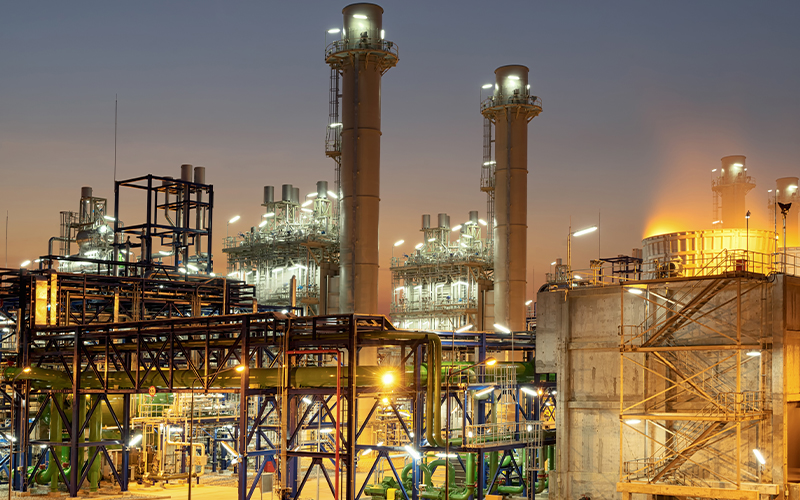
Introduction: Foundations of Civilization and Catalysts of Progress
Industries are more than economic engines; they are the cornerstones upon which civilizations build prosperity, employment, and innovation. From the iron and coal of the Industrial Revolution to today’s cloud-based services and green technologies, the concept of industry has continuously evolved to meet the demands of its time. In the 21st century, industries are navigating a complex landscape shaped by technological disruption, environmental urgency, and shifting global dynamics. To understand the true scope and future potential of industries, one must explore their types, historical significance, transformative role, and emerging challenges.
Understanding the Core Types of Industries
At their core, industries can be classified into several broad categories, each playing a distinct role in the economic hierarchy.
Primary Industries
Primary industries focus on the extraction and utilization of natural resources. These sectors provide the raw materials necessary for all other industrial activity.
- Agriculture: The backbone of many economies, agriculture supports food security and raw material supply chains.
- Forestry: Contributes timber and biomass for construction and paper manufacturing, while playing a key role in environmental conservation.
- Fishing: Vital for global food distribution, particularly in coastal and island nations.
- Mining and Extraction: Supplies essential inputs such as metals, coal, oil, and rare earth elements for energy and manufacturing.
Secondary Industries
These industries are responsible for converting raw materials into finished or semi-finished goods. They represent the classic image of industrialization.
- Manufacturing: Encompasses everything from textiles and automobiles to electronics and pharmaceuticals.
- Construction: Involves infrastructure development including roads, buildings, and urban facilities.
- Heavy Industry: Produces machinery, shipbuilding equipment, steel, and other durable goods that enable mass production.
Tertiary Industries
Also known as the service sector, tertiary industries connect production to consumption by delivering services to individuals and businesses.
- Retail and Logistics: Distribute goods through physical stores, e-commerce, and global supply chains.
- Finance and Insurance: Facilitate trade, investment, and risk mitigation through structured economic systems.
- Tourism and Hospitality: Contribute significantly to GDP in both developing and developed nations.
- Education and Health Services: Build human capital and foster national well-being.
Quaternary and Quinary Industries
In the modern knowledge economy, two additional sectors have emerged.
- Quaternary Sector: Focuses on intellectual pursuits such as research, information technology, consultancy, and innovation.
- Quinary Sector: Comprises top executives, government officials, and decision-makers shaping policy, strategy, and socioeconomic trends.
The Historical Arc: From Smoke Stacks to Silicon Chips
The journey of industries is synonymous with human progress.
- First Industrial Revolution (late 18th century): Characterized by mechanization and steam power, it began in Britain and spread globally, reshaping agriculture and textiles.
- Second Industrial Revolution (late 19th century): Introduced electricity, chemical processes, and the assembly line, sparking mass production and rapid urbanization.
- Third Industrial Revolution (mid 20th century): Marked by electronics, computers, and early automation, it redefined productivity and created new forms of work.
- Fourth Industrial Revolution (current): Driven by artificial intelligence, robotics, biotech, and the Internet of Things (IoT), it merges physical, digital, and biological systems in unprecedented ways.
Technological Transformation in Modern Industry
Technology is no longer an auxiliary tool but a central force shaping how industries operate and evolve.
- Artificial Intelligence and Machine Learning: Enable real-time decision-making, predictive maintenance, and improved quality control.
- Automation and Robotics: Enhance efficiency, safety, and scalability, especially in manufacturing and warehousing.
- Cloud Computing and Data Analytics: Allow companies to store, process, and analyze data across geographies, unlocking insights for innovation.
- 3D Printing: Reduces waste and time in prototyping, healthcare, and even space exploration.
- IoT Integration: Connects machines and systems to enable smarter operations and maintenance.
Industries and Global Interdependence
Globalization has transformed industries into complex international ecosystems.
- Supply Chain Networks: Products are no longer made in one country; they are assembled through global collaborations involving dozens of nations.
- Trade Agreements and Economic Zones: Facilitate easier movement of goods, services, and capital across borders.
- Multinational Corporations: Extend industrial influence worldwide, balancing local markets with global strategies.
- Offshoring and Outsourcing: Companies seek cost-effective locations for specific functions, increasing interdependence and competition.
Sustainability: The New Industrial Mandate
As environmental concerns rise, industries are increasingly being measured by their ecological footprint and ethical practices.
- Carbon Reduction Goals: Many sectors are investing in renewable energy and carbon offset programs.
- Circular Economy Models: Focus on reducing waste through recycling, reuse, and product lifecycle extension.
- Eco-Innovation: Sustainable packaging, biodegradable materials, and energy-efficient technologies are no longer fringe—they are mainstream imperatives.
- Corporate Accountability: Governments and consumers now demand transparency in sourcing, emissions, and labor practices.
The Human Capital Dimension
People remain at the heart of industrial development. While machines may dominate the production floor, creativity, leadership, and adaptability are irreplaceably human traits.
- Workforce Transformation: Workers are increasingly expected to master digital tools, soft skills, and continuous learning.
- Remote Work and Hybrid Models: Especially in IT and services, these models have redefined workplace norms.
- Diversity and Inclusion Initiatives: Industries that embrace diverse workforces foster innovation and resilience.
- Labor Rights and Automation Balance: Ensuring that technological advancement does not displace human dignity is a critical concern.
Industries and National Development
The influence of industries extends far beyond GDP.
- Employment Creation: From skilled engineers to service staff, industries support millions of livelihoods.
- Urban Development: Industrial clusters drive the growth of cities and townships, often leading to better infrastructure and public services.
- Education and R&D: Industrial investment in education and research fuels future competitiveness and societal progress.
- Taxation and Revenue: Industries contribute significantly to government revenues, enabling public sector development and welfare programs.
Key Challenges Facing Global Industries
In a world of flux, industries must tackle a spectrum of challenges.
- Climate Change: Adapting to environmental standards without compromising profitability.
- Supply Chain Disruptions: Pandemics, wars, and natural disasters have shown the fragility of global logistics.
- Cybersecurity Risks: Digital transformation increases exposure to data breaches and cyberattacks.
- Regulatory Pressures: Compliance across multiple jurisdictions is complex and costly.
- Workforce Displacement: Automation must be managed to prevent large-scale unemployment or societal inequality.
Conclusion: Building the Next Industrial Era with Purpose and Precision
Industries are not merely production units; they are societal architects. They shape how we live, how we work, and what kind of future we can build. As the world transitions into a more connected, sustainable, and digital age, industries must evolve with both vision and responsibility. The next generation of industry leaders will not only be measured by profitability but by their commitment to innovation, inclusivity, and environmental stewardship. If harnessed thoughtfully, industries will remain the most potent tool humanity has for crafting a smarter, fairer, and more resilient future.
 Mktg Business