
Introduction: The Unseen Pillars of Sustainable Growth
In the fast-paced world of modern commerce, where innovation and disruption dominate corporate narratives, the disciplines of legal and compliance are often overlooked or misunderstood. They rarely generate headlines, yet they are the invisible architecture underpinning corporate stability, integrity, and resilience. In truth, these functions serve as the silent sentinels of sustainable business—guarding against risk, ensuring ethical conduct, and enabling long-term strategic growth. The companies that thrive in today’s regulatory and reputational landscape are those that treat legal and compliance not as burdens to be managed, but as cornerstones of operational excellence and competitive advantage.
Defining the Domains: Legal vs. Compliance
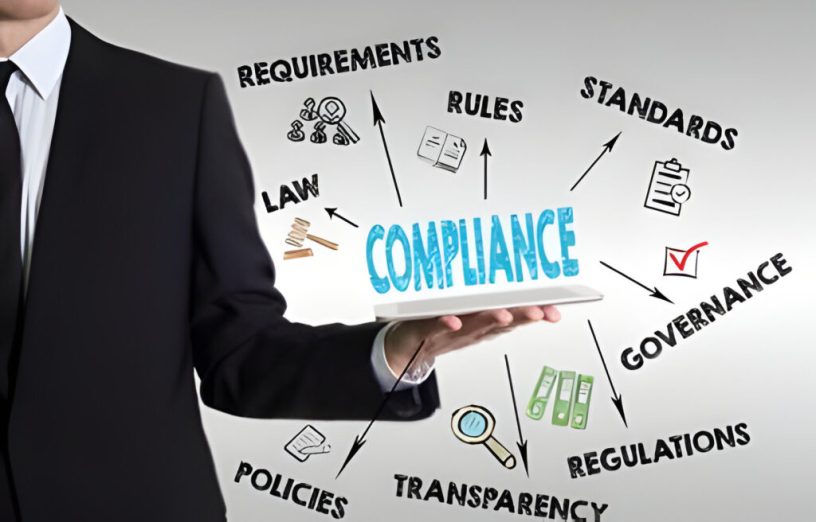
Though closely intertwined, legal and compliance represent distinct areas of responsibility within an organization. The legal function focuses on the interpretation and application of the law. Legal teams advise on contracts, litigation, intellectual property, regulatory requirements, mergers and acquisitions, and corporate governance. Compliance, on the other hand, ensures that a company not only follows legal requirements but also adheres to internal policies, ethical standards, and industry best practices. Compliance is proactive, preventative, and cultural; legal is protective, interpretive, and strategic. Together, they form a dual framework that safeguards the company’s integrity while guiding responsible growth.
Why Legal & Compliance Matter More Than Ever
The modern business environment is defined by rapid globalization, complex supply chains, increased public scrutiny, and dynamic regulatory shifts. In this context, the role of legal and compliance has never been more crucial. Several factors have contributed to their elevated importance:
-
Expanding Regulatory Expectations: From the GDPR in Europe to anti-bribery laws in the U.S. and sustainability reporting directives worldwide, organizations face increasingly sophisticated compliance obligations that demand active management.
-
Reputation Risk: One ethical misstep can destroy years of brand equity. Companies are judged not just by what they achieve, but by how they achieve it.
-
Stakeholder Demands: Investors, customers, and employees now expect companies to uphold high standards of transparency, fairness, and responsibility—not just legal compliance but moral leadership.
-
Technological Complexity: Digital transformation, AI, and cybersecurity introduce new risks that challenge existing legal frameworks and demand innovative compliance strategies.
In short, the price of neglecting legal and compliance is no longer just fines or sanctions—it’s loss of trust, market access, and long-term viability.
Building a Robust Legal & Compliance Framework
A high-functioning legal and compliance structure is not created overnight. It requires thoughtful leadership, an understanding of organizational dynamics, and a commitment to ethical principles. Below are the key components of a successful framework:
1. Executive Commitment and Cultural Integration
Effective compliance starts at the top. Boards and executives must actively champion ethical behavior, integrate compliance into strategic planning, and ensure that these values permeate every layer of the business. This commitment should be visible in leadership conduct, performance metrics, and internal communications. Compliance cannot exist in isolation; it must be embedded in the corporate culture.
2. Risk Assessment and Tailored Controls
One of the hallmarks of a mature compliance function is its ability to prioritize. Companies should regularly conduct risk assessments tailored to their industry, geography, and operational model. Once risks are identified, appropriate controls—such as due diligence procedures, approval hierarchies, and monitoring mechanisms—can be implemented to mitigate exposure.
3. Policies and Procedures that Work in Practice
Policies are the backbone of any compliance program, but they must be more than documents. Effective policies are accessible, clear, and relevant to the actual behavior and responsibilities of employees. They should cover areas such as anti-bribery, conflicts of interest, data protection, harassment, cybersecurity, and more. Crucially, these policies must be communicated regularly and reinforced through training.
4. Training and Engagement
Awareness alone does not drive compliance—understanding and commitment do. Training programs should go beyond legal jargon to include real-world scenarios, role-based challenges, and interactive elements that encourage employee participation. A well-trained workforce is the first line of defense against misconduct.
5. Open Reporting Channels and Whistleblower Protections
Employees must feel safe reporting unethical behavior. To foster this environment, companies should implement multiple reporting mechanisms—such as hotlines, anonymous web portals, and direct access to compliance officers—accompanied by strict anti-retaliation protections. Encouraging internal reporting prevents external crises and builds a culture of accountability.
6. Continuous Monitoring and Responsive Action
Legal and compliance is a living function, not a static checklist. Companies should conduct regular audits, monitor compliance metrics, and adjust policies based on new risks or regulatory updates. When breaches occur, a swift and fair response, including disciplinary action and root cause analysis, is essential.
Technology’s Expanding Role in Legal & Compliance
Digital transformation has introduced a suite of tools that make legal and compliance functions more efficient and insightful. Artificial intelligence can now analyze contracts, flag risky clauses, and predict litigation outcomes. Compliance management software can automate policy distribution, track training completion, and monitor adherence to regulatory obligations in real time. However, technology must serve as an enabler—not a substitute—for human oversight. The ethical judgment, strategic thinking, and cultural sensitivity required in legal and compliance can never be fully automated.
The Strategic Benefits of a Strong Legal & Compliance Culture
Organizations that excel in legal and compliance don’t just avoid penalties—they outperform. A few of the key benefits include:
-
Enhanced Reputation: Trust is the currency of modern business. A strong compliance record builds goodwill with regulators, investors, and the public.
-
Operational Efficiency: Well-designed legal processes reduce delays, streamline decision-making, and prevent costly disputes.
-
Investor Confidence: Sophisticated investors scrutinize governance and compliance practices. A mature program can improve access to capital.
-
Talent Retention: Employees want to work for companies with strong values. Ethical cultures attract and retain high performers.
-
Resilience in Crisis: Organizations with well-established compliance frameworks respond more effectively to regulatory inquiries, cyberattacks, or reputational threats.
Common Pitfalls to Avoid
Despite good intentions, many companies falter in execution. Common missteps include:
-
Treating compliance as a one-time project rather than an ongoing commitment
-
Focusing only on written policies while neglecting enforcement and engagement
-
Failing to localize compliance programs for different jurisdictions
-
Ignoring the strategic value of legal input until litigation arises
These pitfalls can be avoided by maintaining a proactive mindset, investing in expertise, and fostering collaboration across departments.
Conclusion: Legal & Compliance as the Soul of the Organization
In an era of uncertainty, disruption, and increasing scrutiny, the quiet disciplines of legal and compliance have taken center stage. They are no longer seen merely as shields, but as compasses—tools that not only protect a company’s interests but guide its path toward ethical, sustainable success. A truly modern enterprise understands that legal and compliance is not about saying “no” to risk—it’s about saying “yes” to responsibility, trust, and long-term value. And that, in the end, is the hallmark of a company built to endure.
 Mktg Business