
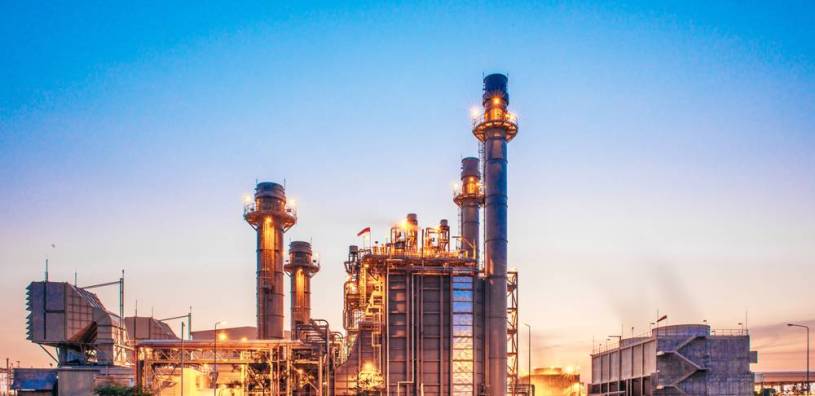
Introduction: The Cornerstones of Modern Progress
Industries are the powerhouses behind civilization’s forward march. From the earliest forms of manual production to the highly digitized and automated systems of today, industries have remained central to economic development, technological advancement, and societal transformation. Their scope extends far beyond factories and assembly lines; they define employment structures, influence international relations, and set the pace of innovation. As we navigate a rapidly changing world, understanding the evolution, classification, and impact of industries becomes crucial to appreciating the forces that mold our lives.
The Classification of Industries: An Economic Blueprint
To grasp the breadth of modern industrial activity, it’s essential to explore how industries are categorized. This classification not only organizes economic functions but also highlights the interdependencies that drive national and global economies.
Primary Industries
Primary industries involve the extraction and harvesting of natural resources. They form the base of all industrial development by supplying raw materials to other sectors.
- Agriculture: The oldest and most vital sector, responsible for feeding populations and providing raw materials like cotton and grains.
- Forestry: Critical for both construction and paper production, while also contributing to environmental stability.
- Fishing: An important livelihood in coastal regions, contributing to global food security.
- Mining and Quarrying: Providers of essential materials such as metals, coal, and fossil fuels.
Secondary Industries
These industries process raw materials into finished goods. They are traditionally seen as the backbone of industrialization and urban growth.
- Manufacturing: From textiles and automobiles to electronics and pharmaceuticals, manufacturing covers a vast range of products.
- Construction: Involves infrastructure development including roads, bridges, buildings, and utilities.
- Engineering and Fabrication: Specialized sectors focusing on heavy machinery, tools, and complex equipment.
Tertiary Industries
Also known as the service sector, tertiary industries support the functioning of primary and secondary sectors while offering direct services to consumers.
- Retail and Distribution: Channels goods from producers to consumers through physical and digital platforms.
- Banking and Insurance: Provide the financial backbone necessary for industrial operations.
- Transport and Logistics: Facilitate the movement of goods and raw materials across geographies.
- Hospitality and Healthcare: Essential for social well-being and economic tourism.
Quaternary and Quinary Industries
Modern economies emphasize knowledge and decision-making, leading to the rise of quaternary and quinary industries.
- Quaternary Sector: Involves research, innovation, data analysis, and high-end IT services.
- Quinary Sector: Includes top-level executives, policymakers, and thought leaders who influence macroeconomic direction and social change.
The Evolution of Industry: A Historical Overview
The history of industry is a chronicle of human ingenuity. With each industrial revolution, the structure of society and the nature of work have been profoundly transformed.
- First Industrial Revolution (late 1700s to early 1800s): Marked by the transition from manual labor to steam-powered machinery. It led to the growth of textile factories and mining operations.
- Second Industrial Revolution (late 1800s to early 1900s): Brought electricity, mass production, and innovations in steel and oil industries.
- Third Industrial Revolution (mid-20th century): Ushered in automation, computers, and electronics, reshaping everything from manufacturing to communications.
- Fourth Industrial Revolution (21st century): Characterized by artificial intelligence, robotics, big data, and the fusion of digital and biological technologies.
Technology: The Catalyst of Industrial Advancement
Modern industries owe much of their efficiency and scalability to technology. Innovation now dictates market leadership and global competitiveness.
- Automation and Robotics: Streamline production, reduce human error, and improve safety in hazardous environments.
- Artificial Intelligence: Enhances supply chain management, customer service, and operational forecasting.
- Internet of Things (IoT): Enables real-time monitoring of machinery, inventory, and environmental factors.
- 3D Printing: Revolutionizes prototyping and customization in sectors like healthcare, aerospace, and fashion.
- Cloud Computing and Cybersecurity: Support remote operations and secure the growing volume of industrial data.
Industries and Globalization: A Networked World
Globalization has radically changed the way industries operate. Today’s companies function in interconnected systems that transcend national boundaries.
- International Supply Chains: Components manufactured in different countries are assembled and sold worldwide.
- Foreign Direct Investment (FDI): Multinational corporations set up manufacturing bases across the globe, spurring local economies.
- Trade Agreements: Free trade zones and bilateral pacts foster the smooth movement of goods and capital.
- Cross-Border Talent Flow: Highly skilled professionals contribute to knowledge-based industries regardless of geography.
Sustainability in Industry: A Moral and Economic Imperative
As environmental challenges mount, industries are under increasing pressure to adopt sustainable practices. Responsible industrialism is no longer optional; it is vital for long-term viability.
- Green Manufacturing: Utilizes renewable energy sources and eco-friendly materials.
- Circular Economy Models: Focus on reducing waste through reuse, recycling, and product life extension.
- Carbon Neutrality Goals: Companies are setting targets to offset their emissions through reforestation, renewable energy, and carbon trading.
- Corporate Social Responsibility (CSR): Modern industries actively invest in education, healthcare, and community welfare as part of their sustainability agenda.
The Human Element: Workforce Trends in Industrial Sectors
Industries are nothing without the people who drive them. As technology reshapes roles and expectations, workforce adaptability has become critical.
- Digital Upskilling: Workers are being trained in AI tools, data analytics, and machine learning.
- Remote and Flexible Work Models: Especially prominent in IT and consulting, these allow for greater work-life balance and access to global talent.
- Diversity and Inclusion: Embracing varied backgrounds to foster innovation and inclusivity.
- Employee Wellness Programs: Addressing mental health, physical well-being, and job satisfaction.
Industries and National Development: A Symbiotic Relationship
Industries are not just economic entities; they are instruments of national development. Their influence is deeply rooted in both financial and social landscapes.
- Employment Generation: Industrial activity creates both direct and indirect job opportunities.
- Infrastructure Growth: Industrial zones often lead to the development of roads, schools, and hospitals.
- Innovation Ecosystems: Clusters of industries foster collaboration with academic and research institutions.
- Export Revenue: Industrial products make up a large share of many countries’ export baskets.
- Poverty Alleviation: Through job creation and social investment, industries uplift underdeveloped regions.
Challenges and the Path Forward
Despite their central role, industries face a host of challenges that must be navigated with strategic foresight.
- Climate Change: Adapting operations to meet environmental standards while remaining profitable.
- Technological Disruption: Managing the transition to AI and automation without exacerbating unemployment.
- Geopolitical Tensions: Navigating trade wars, sanctions, and protectionist policies.
- Cybersecurity Risks: Safeguarding sensitive data in increasingly digitized operations.
- Supply Chain Fragility: Ensuring resilience in the face of pandemics, conflicts, and resource shortages.
Conclusion: A Vision for Purpose-Driven Industrial Growth
Industries are not static monoliths—they are evolving ecosystems that reflect the aspirations and challenges of their time. As we look toward a future shaped by climate imperatives, technological innovation, and shifting demographics, the role of industries will be to lead with both efficiency and empathy. Whether it’s in building smarter cities, reducing environmental footprints, or fostering inclusive societies, industries have the power—and the responsibility—to engineer a better, more balanced world.
 Mktg Business